
Homeowner Guide
Know Your Heating & Cooling System
A plain-English guide to changing your filter, reading your equipment label, saving energy and knowing when it’s time to call, from a Carrier dealer with 25+ years in the trade.
The #1 Thing You Can Do
Air Filters
A clean filter protects your equipment, keeps air moving and helps your system run efficiently. A clogged one makes the blower work harder, can make a furnace overheat and shut off, and can make an air conditioner’s coil freeze. It’s the cheapest maintenance there is.
Where to find it
- At the furnace or air handler: most filters slide into a slot where the big return duct meets the unit, often behind a small cover.
- Behind a return grille: some homes have the filter behind a large vent in a wall, ceiling or hallway floor.
- Ductless mini-splits: the filters are washable screens behind the front panel of each indoor unit.
Reading the filter size
The size is printed on the cardboard edge of the filter you have now. It’s the “nominal” size, so the actual filter measures a little smaller, and that’s normal. Buy the size printed on the frame.
Printed on the filter frame
16 × 25 × 1
16″ width25″ height1″ thicknessAIRFLOW → arrow points toward the furnace
How often to change it
| Filter type | Change it about every | Notes |
|---|---|---|
| 1″ fiberglass (basic) | 30 days | Cheapest, but catches the least. |
| 1″ pleated | 1 to 3 months | The most common choice. Check it monthly. |
| 4″ to 5″ media filter | 6 to 12 months | Fits a special cabinet next to the furnace. |
| Mini-split washable screens | Rinse monthly when in heavy use | Let them dry before putting them back. |
Change it more often if you have pets, allergies, a smoker in the house, recent remodeling dust, or if the system is running hard in a heat wave or cold snap. When in doubt, hold it up to a light: if you can’t see light through it, change it.
How to change it
- Turn the system off at the thermostat.
- Slide out the old filter and note the size and which way the arrow points.
- Slide in the new one with the airflow arrow pointing toward the furnace (away from the return duct).
- Write the date on the frame with a marker so you know when you changed it.
- Turn the system back on.
Which MERV rating? MERV measures how fine a filter catches dust. A MERV 8 to 11 pleated filter is a good balance for most homes. Very high ratings (MERV 13+) catch more, but on some systems they restrict airflow. Ask Mike before going that high.
Know What You Have
Reading Your Equipment Label
Every furnace, air conditioner and heat pump has a data plate with its model number and serial number. On an outdoor unit it’s on the side of the cabinet; on a furnace it’s usually inside the front door or on the side. These two numbers tell you a lot, including how old your system is and how big it is.
Model number (example)
24ACC636A003
36 = 36,000 BTU = 3 tons of cooling(1 ton = 12,000 BTU)
Serial number (example)
2419E12345
24 = week 2419 = 2019Built in June 2019
That’s how Carrier and its sister brands (Bryant and Payne) number most of their equipment. Other brands use different codes. In a model number, the size is usually a group of digits like 018, 024, 030, 036, 042, 048 or 060: divide by 12 to get tons. A furnace’s number shows its heating size in thousands of BTU instead (for example, 060 or 080).
Tip: snap a photo of the labels on your furnace and outdoor unit and keep it on your phone. When you call, Mike can tell a lot about your system before he even arrives.
Shopping for a New System?
Efficiency Ratings, Explained
The higher the number, the less energy the system uses to do the same job. Here’s what the labels mean:
| Rating | What it measures | What to know |
|---|---|---|
| SEER2 | Cooling efficiency of air conditioners and heat pumps | Since 2023, new central air conditioners in Pennsylvania must be at least 13.4 SEER2. Higher-efficiency models cost more up front and less to run. |
| HSPF2 | Heating efficiency of heat pumps | New heat pumps must be at least 7.5 HSPF2. Higher is better for winter operating cost. |
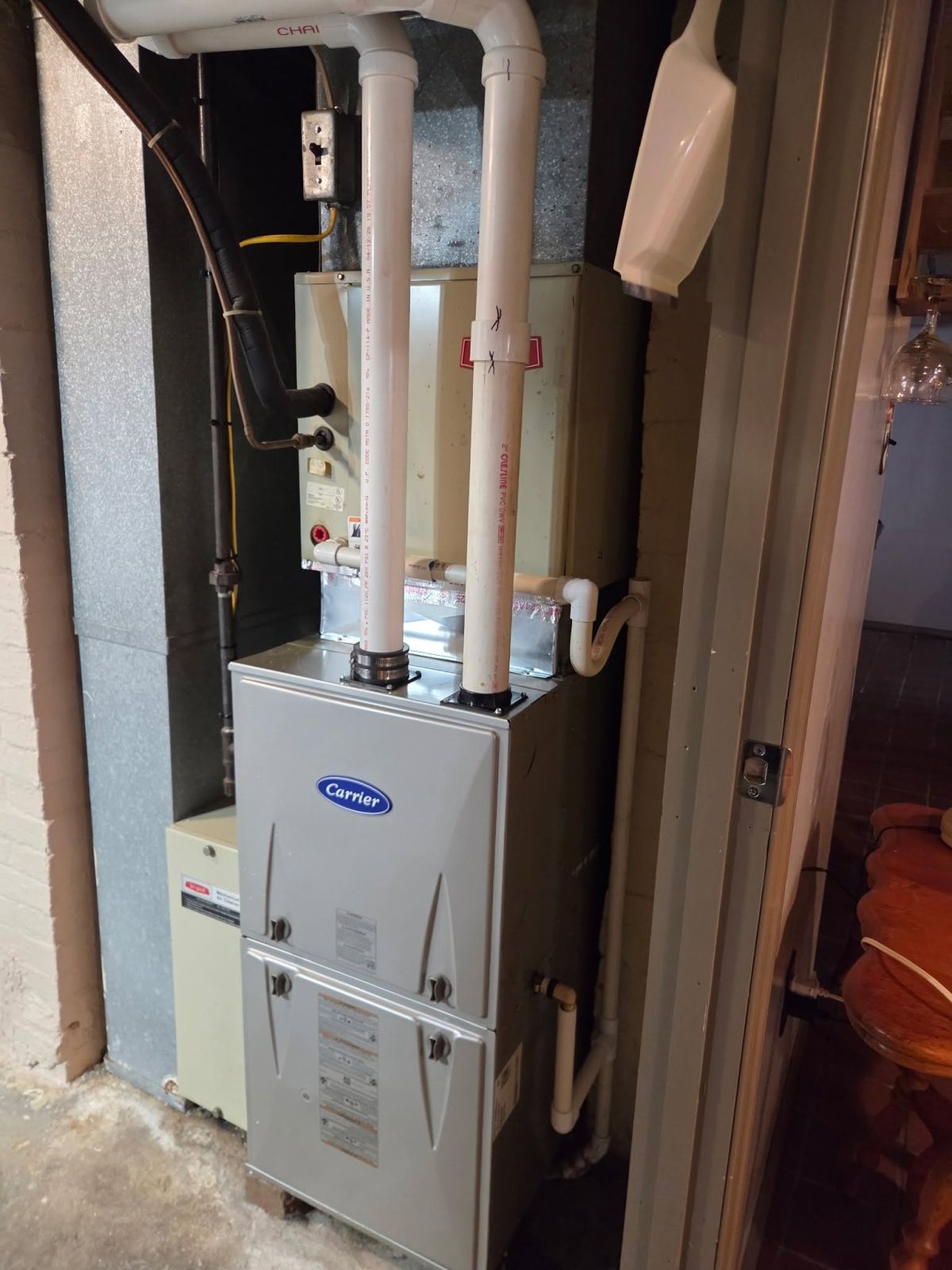
| AFUE | How much of a furnace’s fuel becomes heat for your home | An 80% furnace loses about 20% up the chimney. High-efficiency furnaces are 90% to 98% and vent through white PVC pipes instead of a metal flue. |
A system that’s 15 or 20 years old was built to much lower standards, so a replacement can noticeably lower your bills. Mike can help you weigh the cost of a higher-efficiency model against what it would save in your home.
Easy Savings
Thermostat Tips
- Winter: about 68°F while you’re home and awake, and lower while you sleep or are away.
- Summer: about 78°F while you’re home, and higher while you’re away.
- Setbacks pay off: the U.S. Department of Energy says turning the thermostat back 7 to 10 degrees for 8 hours a day can save up to 10% a year on heating and cooling.
- Change the batteries once a year if your thermostat uses them. A blank screen is the most common “no heat” call.
“Auto” vs. “On”
Set the fan to Auto so it runs only while heating or cooling. “On” runs the blower nonstop, which uses more electricity and, in summer, can put moisture from the coil back into your house.
Heat pump owners
Avoid big temperature setbacks with a heat pump: when you raise the temperature a lot at once, the system may switch on its backup electric heat, which is expensive. And only use Emergency Heat (EM Heat) if the outdoor unit has stopped working, then call for service.
Save a Service Call
Before You Call: A Quick Checklist
Sometimes “no heat” or “no cooling” has a simple fix. Run through these first. If none of them helps, or you’re not comfortable checking something, call Mike.
- Check the thermostat. Is it set to Heat or Cool, set to the right temperature, and does the screen have power?
- Check the breakers. The furnace (or air handler) and the outdoor unit each have a breaker in your electrical panel. If one tripped, reset it once. If it trips again, leave it off and call.
- Check the furnace switch. Most furnaces have a switch nearby that looks like a light switch. Make sure it’s on. (It’s easy to bump it off by mistake.)
- Check the filter. A badly clogged filter can shut a furnace down or freeze an air conditioner.
- Check the furnace door. The blower door has a safety switch. If the panel isn’t fully closed, the furnace won’t run.
- Check for water. Furnaces and air conditioners make water that drains away through a pipe or a small pump. If the drain clogs, a safety switch can shut the system off. Water around the unit is a sign to call.
- Ice on the AC lines or coil? Turn cooling off and set the fan to On to thaw it, check the filter, then call. Running a frozen system can damage the compressor.
Smell gas or hear a carbon monoxide alarm? Don’t troubleshoot. Leave the house right away and call your gas utility or 911 from outside.
Outside the House
Outdoor Unit Care
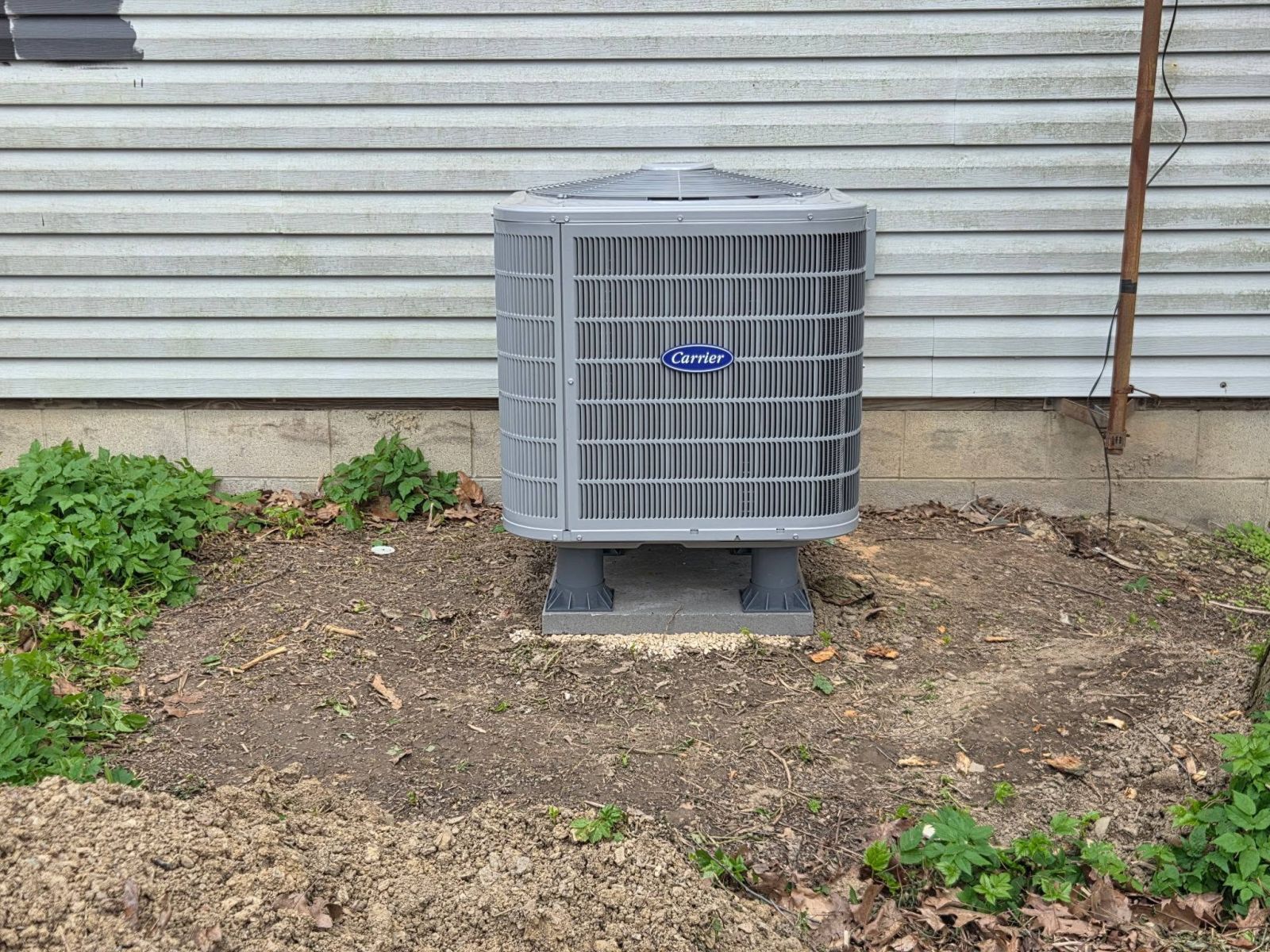
- Give it room: keep about 2 feet clear around the unit and 5 feet above it. Trim shrubs and don’t stack things against it.
- Keep it clean: clear leaves, grass clippings and cottonwood fluff off the coil. Point the mower’s discharge away from it.
- Rinse, don’t blast: with the power off, you can gently rinse the coil with a garden hose. Never use a pressure washer; it bends the fins.
- Winter: keep snow and ice from piling around an air conditioner or heat pump. A heat pump runs all winter, so never cover it. If you cover an air conditioner, cover only the top so moisture can escape.
- Keep it level: if the pad has settled and the unit is tilting, have it checked.
Protect Your Family
Safety
- Carbon monoxide alarms: put one on every level of your home and outside each sleeping area, test them monthly, and replace them as the manufacturer recommends (usually every 5 to 10 years).
- Keep the furnace area clear: don’t store paint, gasoline, solvents or piles of boxes near the furnace or water heater.
- Watch the vent pipes: high-efficiency furnaces vent through PVC pipes on the side of the house. Keep snow, ice and leaves away from them, or the furnace can shut off.
- Keep vents open: closing too many supply vents or blocking return grilles with furniture strains the system.
- Get a yearly safety check: a fall tune-up includes checking the burners, venting and safety controls.
Comfort Is More Than Temperature
Humidity
The EPA recommends keeping indoor humidity between 30% and 50%. A simple digital hygrometer from a hardware store will tell you where you are.
- Summer feels sticky or clammy? Your air conditioner removes moisture as it cools. If it can’t keep up, it may be the wrong size, low on refrigerant, or the fan may be set to On instead of Auto.
- Winter air too dry? Static shocks, dry skin and cracking woodwork are signs. A whole-home humidifier on the furnace can help.
- Too humid in winter? Condensation on windows can mean too much moisture. Run bath and kitchen fans and ask about ventilation.
Year-Round
Seasonal Checklist
Spring
- Schedule your AC tune-up before the first hot spell
- Change the filter
- Clear leaves and debris from the outdoor unit
- Test cooling on the first warm day
Summer
- Check the filter monthly
- Keep plants and clippings away from the outdoor unit
- Set the thermostat to about 78°F while home
- Watch for water around the indoor unit
Fall
- Schedule your furnace tune-up
- Change the filter
- Test carbon monoxide alarms
- Turn on the heat before the first cold night
Winter
- Keep snow off the outdoor unit and furnace vent pipes
- Check the filter monthly
- Keep the furnace area clear
- Watch humidity and dry air
Planning Ahead
Repair or Replace?
Every system wears out eventually. Here’s how long equipment typically lasts with regular maintenance:
| Equipment | Typical lifespan |
|---|---|
| Gas furnace | 15 to 20 years |
| Central air conditioner | 15 to 20 years |
| Heat pump (runs year-round) | 12 to 15 years |
| Ductless mini-split | 15 to 20 years |
| Thermostat | About 10 years |
Signs it may be time to replace
- It’s near or past the lifespan above (check the serial number to find its age)
- Repairs are getting more frequent or more expensive
- Your energy bills keep climbing
- Some rooms are always too hot or too cold
- Your air conditioner uses R-22 refrigerant (most systems from before about 2010), which is no longer made
The “$5,000 rule” of thumb: multiply the age of the system by the cost of the repair. If the answer is more than $5,000, replacing it is usually worth considering. For example, a $400 repair on a 14-year-old furnace = $5,600. It’s only a rule of thumb, so Mike will give you an honest recommendation either way.
Questions
Homeowner FAQ
How often should I change my furnace filter?
Check it every month. Standard 1-inch pleated filters usually need changing every 1 to 3 months, basic fiberglass filters every 30 days, and thick 4- to 5-inch media filters every 6 to 12 months. Change it more often if you have pets or allergies.
Which way does the furnace filter arrow go?
The arrow on the filter frame shows the direction of airflow, so it should point toward the furnace or air handler and away from the return duct.
How can I tell how old my furnace or air conditioner is?
Look at the serial number on the unit’s data plate. On most Carrier, Bryant and Payne equipment, the first four digits are the week and year it was made: 2419 means week 24 of 2019. Other brands use different codes; Mike can help you read yours.
What temperature should I set my thermostat to?
The U.S. Department of Energy suggests about 68°F in winter and 78°F in summer while you’re home, with the thermostat turned back 7 to 10 degrees while you’re asleep or away.
Why is my AC running but not cooling?
Check that the thermostat is set to Cool, the filter is clean, the outdoor unit is running and clear of debris, and its breaker hasn’t tripped. If there’s ice on the lines, turn cooling off and call. Low refrigerant and failed electrical parts need a technician.
Should I cover my outdoor unit in the winter?
Never cover a heat pump, because it runs all winter. For an air conditioner, keeping snow and debris off is enough; if you do cover it, cover only the top so moisture can escape.
Still Have Questions?
Call Mike. He’s happy to help you figure out your filter size, read your equipment label or schedule a tune-up.